American Heritage & Founders' Writings
The Importance Of Independent Judges Is Paramount
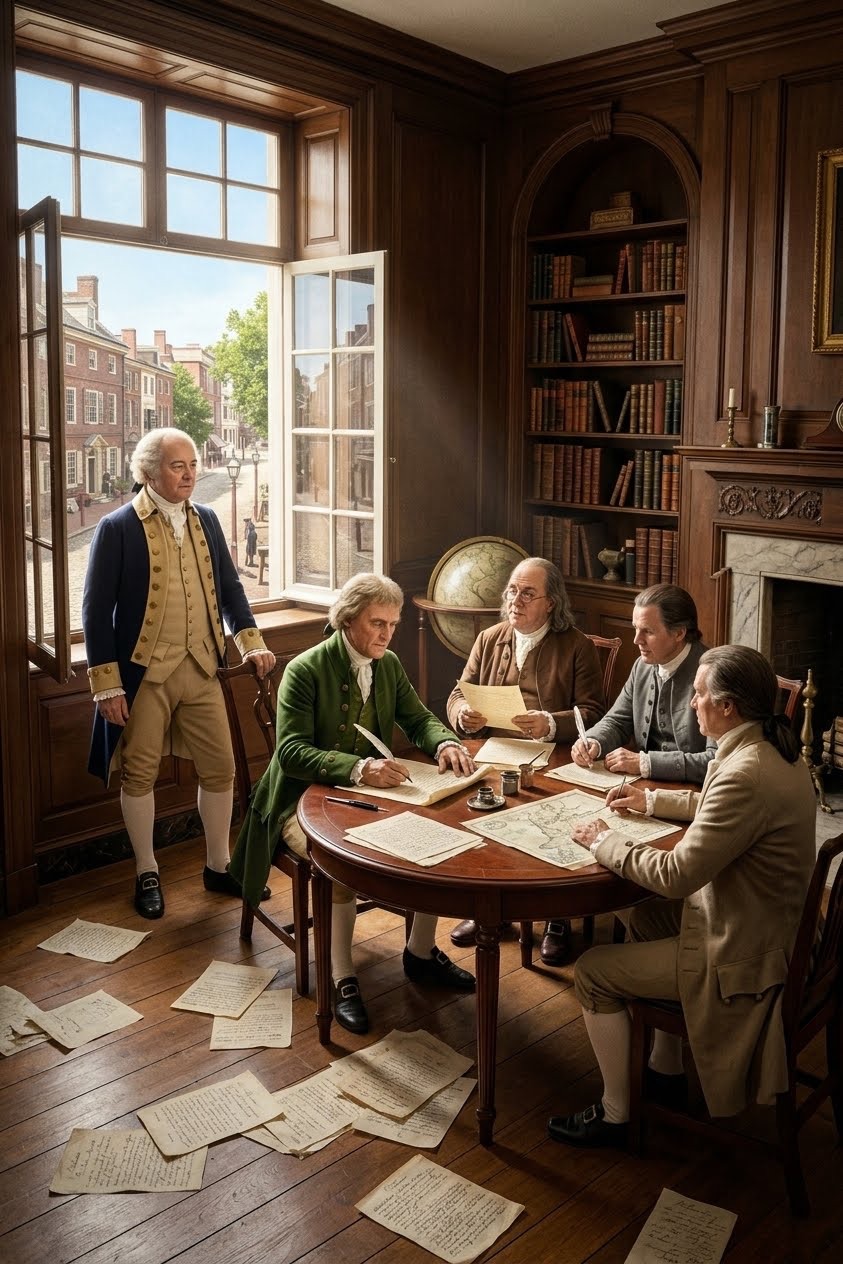
The structural integrity of the American experiment does not rely solely on the separation of powers, but on the absolute moral independence of those who interpret the law. When Supreme Court justices accept covert bribes, lavish gifts, or luxury travel from wealthy benefactors, they do not merely commit individual ethical breaches; they actively sell the foundational purpose of the American government. The judiciary is designed to be the ultimate anchor of impartial justice. If the public perceives that the highest court in the land can be quietly influenced by financial contrivances, the entire nation is bankrupted of its hope in a just system, fracturing the fragile social contract that binds a free people. This foundational imperative for absolute judicial purity was fiercely championed by John Adams. In his seminal 1776 essay, Thoughts on Government, Adams argued with prophetic clarity that the executive, legislative, and judicial powers must be kept strictly distinct to preserve liberty. He explicitly noted in his extensive writings that the dignity and stability of government depend entirely upon the character of its judges. Adams maintained that justices must be independent from any external contrivances, political pressures, or financial enticements. To ensure this unyielding independence, he advocated that their minds should not be distracted by the anxiety of precarious appointments or compromised by private dependency on special interests. When judges lose this independence, the rule of law is replaced by the rule of the highest bidder. This compromise is catastrophic, transforming a constitutional republic into a system where human rights are transactional. Impartiality is the shield of the citizen against government overreach; when that shield is corroded by financial influence, justice dies. Upholding Adams’s vision of independent judges remains the only way to preserve the spirit of 1776.
Send this to someone
A civic square for verified Americans, open to the nations of the world, its leaders & ambassadors. Reading is open to everybody. Posting, replying and voting are for members.