Global News
A Nuclear Weapon Attack on A Nuclear Facility: Politically Unfeasable Due To Radioactive Pollution Of Air, Water, Food Upon 100 Million Civilians
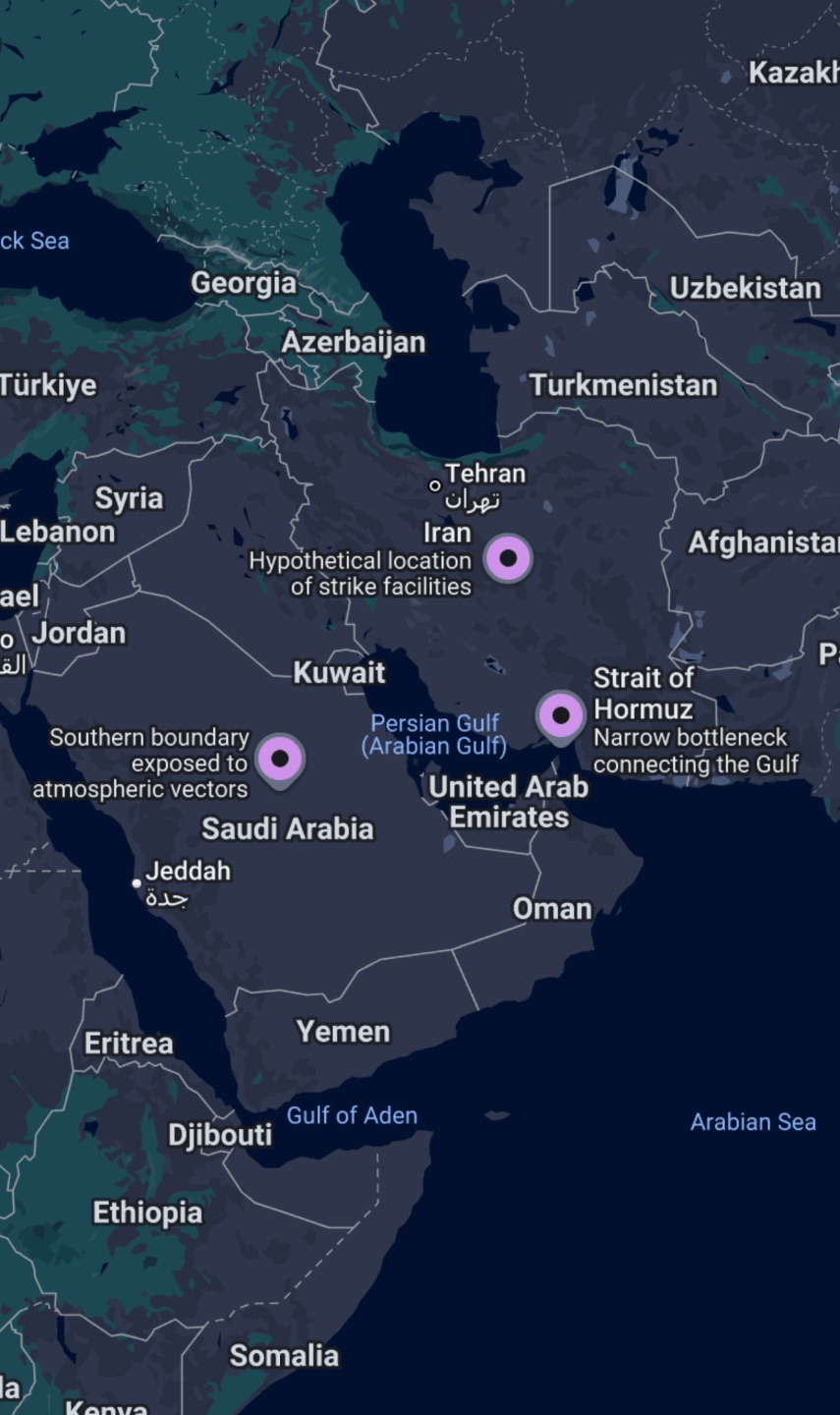
The deployment of tactical battlefield nuclear weapons against Iran’s deeply buried enrichment facilities would instantly trigger an irreversible humanitarian and ecological catastrophe across the Persian Gulf. Beyond the immediate blast zones, the primary vector of long-term devastation would be the catastrophic contamination of the region’s primary lifelines: its water and food supply. The Persian Gulf is a shallow, semi-enclosed sea with remarkably slow water rotation, making it an ecological trap for radioactive fallout. A strike on fortified mountain facilities would aerosolize thousands of tons of irradiated debris. Winds would carry this fallout directly over the Gulf, depositing massive quantities of Cesium-137, Strontium-90, and Iodine-131 into the water. Because the region relies almost exclusively on desalination plants along the coast to provide drinking water, the contamination of the marine environment would immediately compromise the drinking supplies of major metropolitan hubs. Desalination infrastructure is not designed to filter out dissolved radionuclides effectively, threatening to cut off fresh water at the tap. Concurrently, the regional food chain would collapse. The Gulf’s fishing industries would face immediate closure as marine life absorbs concentrated radiation, rendering seafood toxic for human consumption. This dual crisis of poisoned water and ruined marine agriculture would directly jeopardize the lives and health of over 35 million people.
Send this to someone
A civic square for verified Americans, open to the nations of the world, its leaders & ambassadors. Reading is open to everybody. Posting, replying and voting are for members.