Trump-Kushner-World Bank's Board Of Peace: An Extra-Constitutional Venture
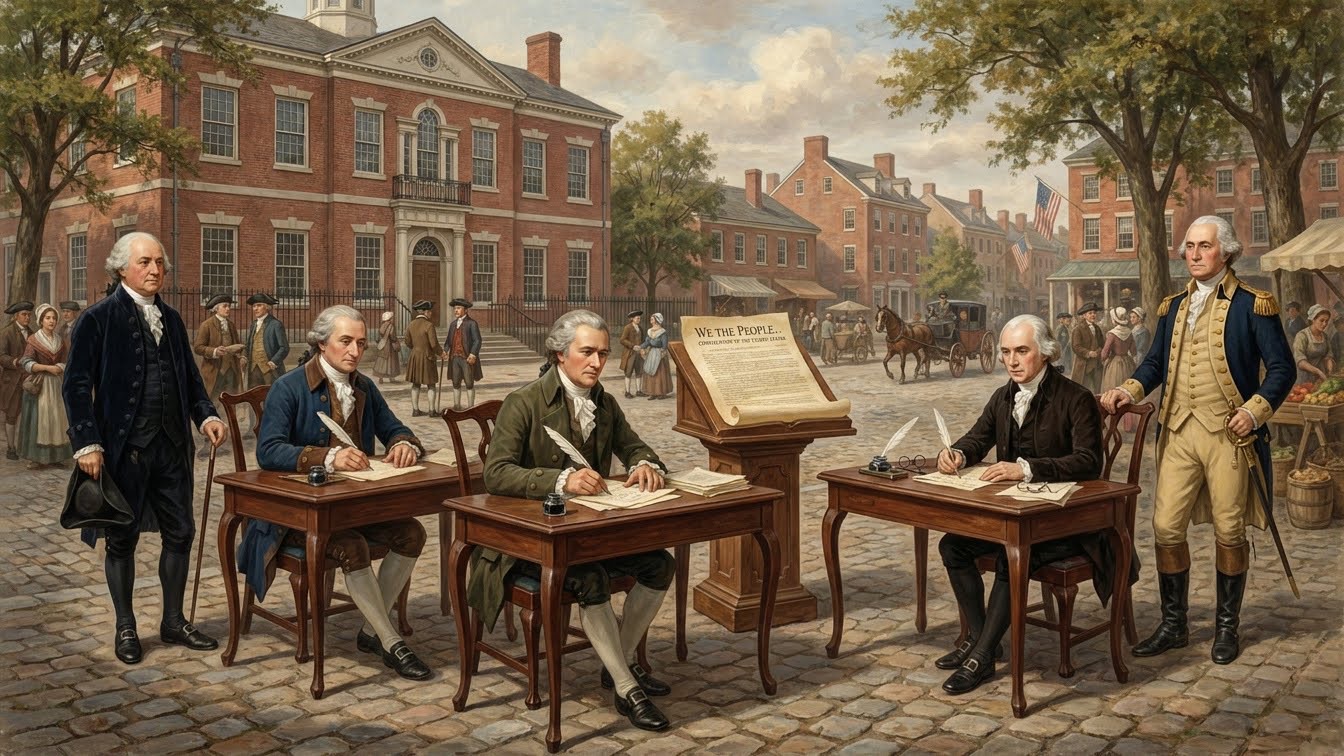
When Alexander Hamilton, John Jay, and James Madison wrote The Federalist Papers, they sought to design a constitutional republic capable of restraining human ambition and insulating public governance from private self-interest. In Federalist No. 10, Madison warned that "factions"—groups united by a common passion or financial interest adverse to the aggregate good of the community—pose an enduring threat to popular government. Later, in Federalist No. 85, Hamilton urged swift ratification of the Constitution rather than risking a second convention, warning that instability allows powerful, self-interested individuals to fracture national unity and operate outside established law. We should look unto the reading of The Federalist Papers to inform our understanding of present-day governance to examine President Donald Trump’s Board of Peace. Launched in January 2026 to oversee post-war Gaza stabilization and conflict resolution, the entity brings together U.S. officials, former foreign leaders like Tony Blair, private financiers, and World Bank President Ajay Banga, along with Jared Kushner, his daughter's husband. Does the Board’s charter blur the constitutional line between public authority and private enterprise? Established via executive action rather than a Senate-ratified treaty, the organization grants Trump unilateral veto power, agenda control, and the right to name his successor beyond his presidency, while offering permanent state membership to nations contributing over $1 billion. To constitutional traditionalists, tying geopolitical authority to capital buy-ins, real estate reconstruction, and global banking ties resembles the elite, quasi-public faction Madison feared—an institution insulated from the legislative checks Hamilton defended in Federalist No. 70. The Board of Peace position refutes that assertion, and it claims that it operates within the president’s constitutional foreign-affairs authority as a voluntary coalition. They posit that multilateral bodies like the United Nations suffer from bureaucratic gridlock, making agile, capital-backed diplomacy essential. Whether that be pragmatic statecraft or an extra-constitutional venture, the Board of Peace tests a core question from The Federalist Papers: how a republic ensures power exercised in the public’s name remains accountable to the people.
Read the discussion More in Global News
More in Global News
Send this to someone
A civic square for verified Americans, open to the nations of the world, its leaders & ambassadors. Reading is open to everybody. Posting, replying and voting are for members.